
Are people waiting for products, do packages build up between machines, or does every format change take extra time? Use this custom

Do colleagues have to step in to pack boxes, or do you lose time on every changeover? When choosing a casepacker, compare
Are people waiting for products, do packages build up between machines, or does every format change take extra time? Use this custom
Do colleagues have to step in to pack boxes, or do you lose time on every changeover? When choosing a casepacker, compare
Is your line waiting for empty packaging while people are busy unloading pallets? Start choosing a depalletizer with the infeed you need per shift and the manual work your team performs today. That makes the required output and staffing tasks clear.
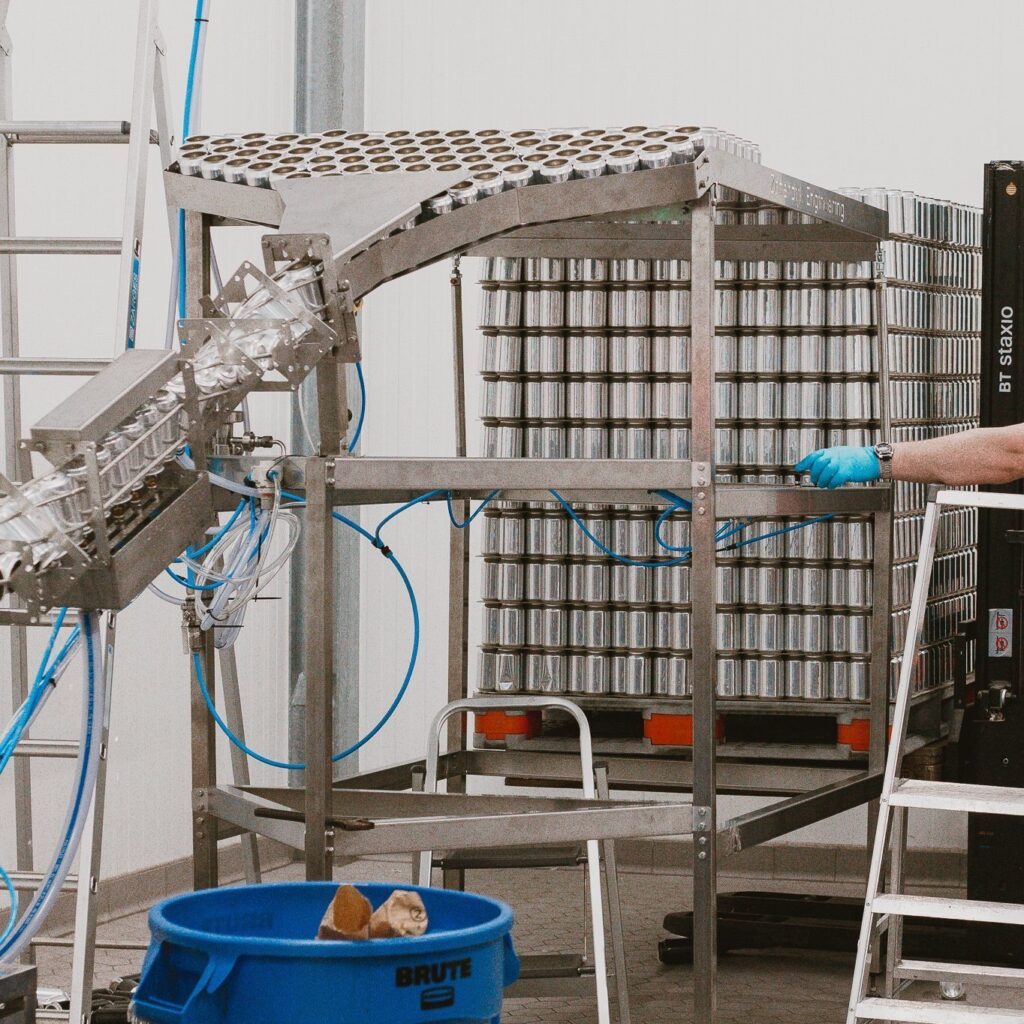
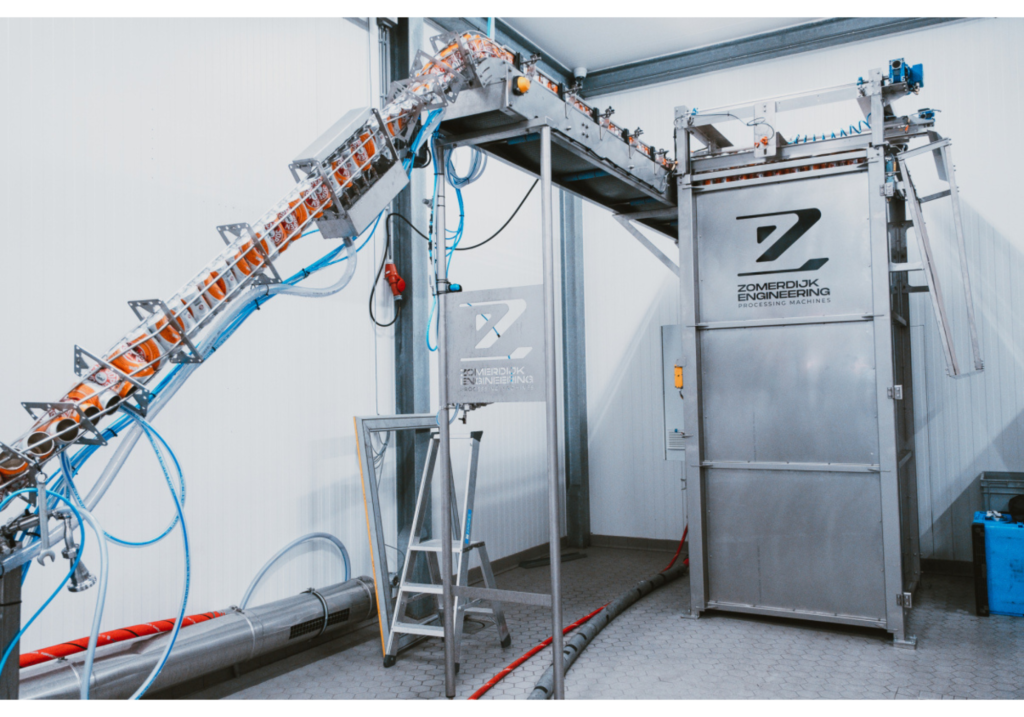
A depalletizer transfers packaging from a pallet to the production line. Its configuration determines how much manual work is taken over and how many containers it feeds per minute.
Record when the line waits for empty packaging during a shift. Is someone still unloading, does a new pallet need to arrive, or is the same person needed elsewhere? Compare those stops with the output you need per shift.
| Production question | What to record |
|---|---|
| When does the line wait? | Time, duration and cause |
| Who handles infeed? | Staffing and tasks throughout the shift |
| What happens when a pallet is empty? | Who brings the next pallet and how long the change takes |
| What changes between runs? | Packaging, planned changeovers and available people |
| What reliability do you need? | Response to stops, maintenance arrangements and support |
List the packaging you use now and the formats you want to add later. In food and beverage production, smaller runs and frequent changes matter just as much as the highest machine speed. Record how often you change formats, which tasks take time and what you want to see during a demonstration.
The semi-automatic depalletizer feeds 50 cans per minute. To compare that with your required output over a full shift, include pallet changes, format changes and stops. Record which loading and unloading tasks remain with your team.
The Mad Scientist case features a semi-automatic depalletizer. Use it as a starting point when discussing manual unloading: which tasks should stay with your team, which should the machine take over, and how much infeed does the rest of your line need?
For higher infeed requirements, the range offers configurations up to 45,000 cans per hour, equivalent to 750 cans per minute, with processing speeds of up to 2 layers per minute. Capacity depends on the configuration and the number of cans per layer.
Different automation levels are available. Compare what happens during pallet changes and which tasks remain with the operator, not just the maximum running speed.
| Selection point | Semi-automatic depalletizer | Higher-speed configuration |
|---|---|---|
| Cans per minute | 50 | Up to 750, equivalent to 45,000 per hour |
| Automation | Semi-automatic | Different automation levels available |
| Staffing discussion | List loading, unloading and other tasks | List pallet handling and supervision tasks |
For glass packaging, include all bottle or jar formats in the enquiry. Compare your required output, pallet handling, format changes and the transfer to the next machine. Ask for the proposed working method and staffing tasks to be demonstrated with your packaging.
Semi-automatic depalletizer
Can Depalletizer
Glass Depalletizer
Include the space for bringing in full pallets, removing empty pallets and reaching the machines for maintenance. Then look beyond the depalletizer: the conveyors between the machines and packing with a casepacker also belong in the discussion about output and staffing.
Jopen’s move to cans provides a relevant project when considering a new packaging type. Uiltje doubled output with the same number of operators; that result applies to the complete line, not to a depalletizer alone.
Start with the number of containers you need per shift, where the line waits today and who handles the infeed. Discuss your enquiry with Zomerdijk Engineering or explore our can depalletizer range.
The semi-automatic model feeds 50 cans per minute. The fastest configuration reaches up to 45,000 cans per hour. Include pallet changes, format changes and downtime when calculating output over a full shift.
List the tasks for bringing in packaging, unloading and removing empty pallets separately. Use that task list to agree the staffing required in the quotation.
Supply all current formats and the ones you plan to add. Ask which proposed configuration covers them and what a changeover involves.
Yes. Mad Scientist uses a semi-automatic depalletizer.
Semi-automatic capacity: 50 cans/minute. Higher-speed configurations: up to 45,000 cans/hour (750 cans/minute), with processing speeds up to 2 layers/minute. Specify the exact model, automation steps, twist configuration, suitable materials, dimensions and required changeover time in the quotation.
Supply product and pallet dimensions, pallet height and layer pattern, slip-sheet information, connection heights and a layout. Include photos of a full pallet, an individual layer and the available space. Add the required output per shift and the waiting periods measured by production.